Which Wearable Brands Actually Protect Your Data? The EFF's 2026 Report Card
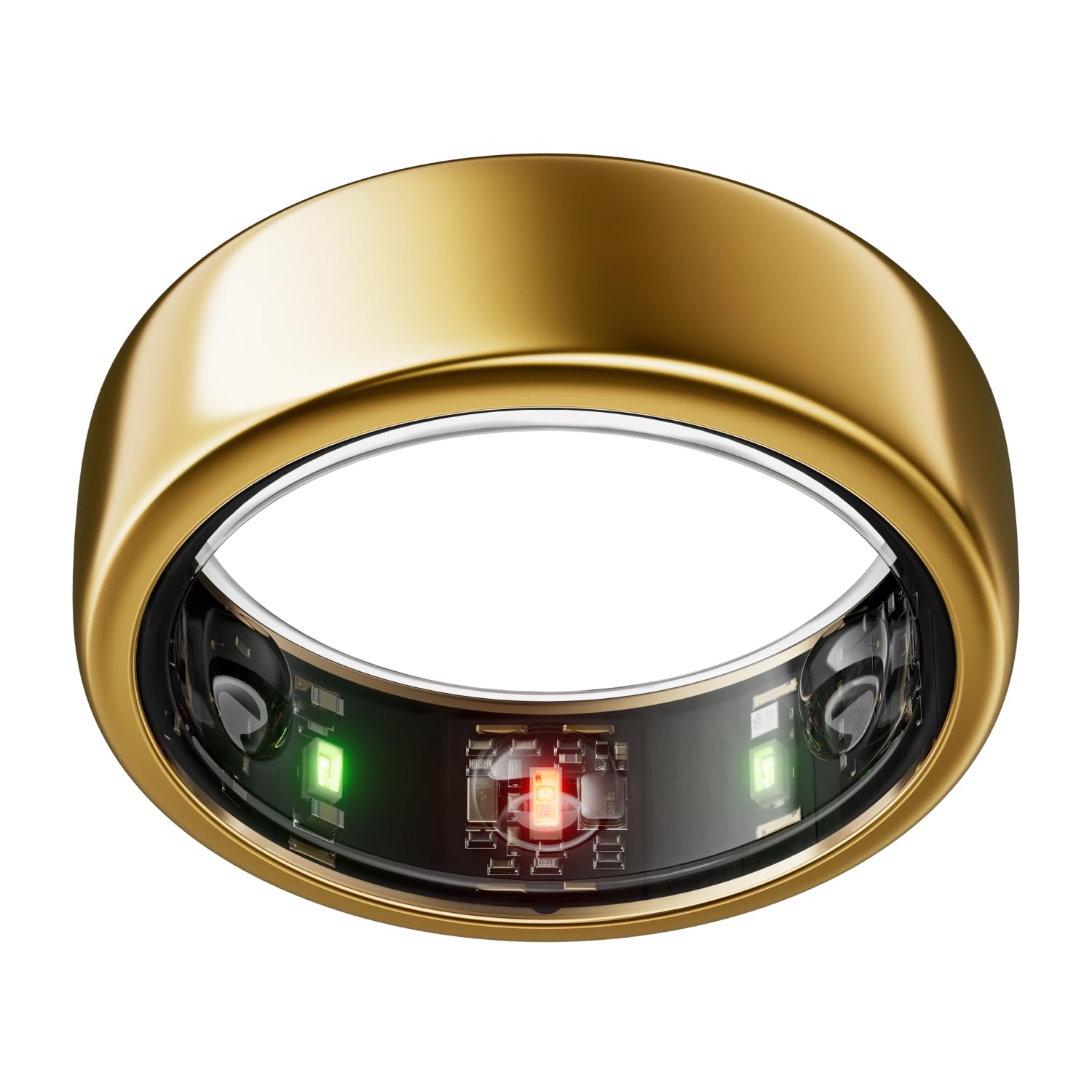
Your smartwatch knows your heart rate, sleep patterns, stress levels, and where you go every day. Your smart ring tracks your body temperature, blood oxygen, and reproductive cycles. But when law enforcement asks for that data, does your wearable company tell you? The Electronic Frontier Foundation's new report, published July 15, 2026, reveals that most don't — and the gap between the best and worst brands is striking.
Most Transparent
Apple and Google are the only wearable brands that publish transparency reports and promise user notification.
Improving
Oura and Whoop promise user notification but don't yet publish transparency reports. Oura says it's “actively evaluating.”
No Transparency
Samsung, Garmin, Amazfit, Xiaomi, and most other brands publish no transparency data and make no notification promises.
What Did the EFF Find?
The EFF surveyed major wearable brands across three categories — smartwatches, smart rings, and fitness bands — and evaluated them on two key criteria: whether they publish transparency reports (documenting government data requests) and whether they notify users when their data is requested by law enforcement.
The results are stark. Out of the entire wearable industry, only two companies publish transparency reports: Apple and Google (which also owns Fitbit). Every other major brand — Samsung, Garmin, Oura, Amazfit, Xiaomi, Whoop, RingConn, Ultrahuman — publishes nothing about how often governments request user data or how often those requests are fulfilled.
How Does Each Brand Stack Up on Privacy?
Here's our breakdown of every major wearable brand based on the EFF's findings:
Apple (Apple Watch, AirPods)
Grade: Best in class. Apple publishes detailed semi-annual transparency reports covering data requests across all products, including Apple Watch. Apple promises to notify users of law enforcement requests when legally permitted, and processes most health data on-device via the Secure Enclave. The Apple Watch Series 11 at $299 and Apple Watch Ultra 3 at $640 are the strongest choices for privacy-conscious buyers.
Google / Fitbit (Pixel Watch, Fitbit)
Grade: Strong. Google publishes transparency reports that cover Fitbit and Pixel Watch data. Google promises to notify users of data requests. However, Google's broader ad-driven business model means more user data flows through its servers than Apple's on-device approach. The Pixel Watch 3 at $247 is an excellent value from a transparent brand.
Oura (Oura Ring 4, Ring 5)
Grade: Improving. Oura updated its privacy policy in June 2026 and promises to notify users of law enforcement requests. It says it is “actively evaluating ways to provide greater visibility into how we handle these requests, including through a transparency report.” That's encouraging but not yet a commitment. The Oura Ring 4 at $218remains the best smart ring, but buyers should monitor Oura's transparency progress.
Whoop
Grade: Partial. Whoop promises to notify users of data requests in its publicly available documentation — putting it ahead of Samsung and Garmin — but does not publish a transparency report.
Samsung (Galaxy Watch, Galaxy Ring)
Grade: Poor. Samsung does not publish a transparency report specific to its wearable devices and does not publicly promise to notify users of law enforcement data requests. Samsung Health data is encrypted and stored on Samsung's servers, but there is no public accounting of how often that data is requested or shared. Given that the Galaxy Watch 9 launches July 22 and Samsung remains a dominant Android wearable brand, this is a significant gap.
Garmin
Grade: Poor. Garmin publishes no transparency report and makes no public commitment to notify users of data requests. Given that Garmin watches are popular among military, law enforcement, and outdoor professionals — populations whose location data could be particularly sensitive — this is a notable oversight. Browse Garmin options in our smartwatch guide.
Why Should Wearable Buyers Care About Transparency?
Wearable devices collect some of the most intimate data in consumer tech. Your smartwatch or ring knows:
- Your health state: Heart rate, HRV, blood oxygen, skin temperature, sleep stages, and stress levels can reveal medical conditions
- Your location history: GPS-tracked exercise routes map your daily patterns
- Your physical state: Reproductive cycle tracking, body temperature trends, and activity levels paint a detailed picture of your body
- Your daily routine: When you sleep, wake, exercise, and are stressed — all time-stamped and location-tagged
This data is valuable to law enforcement, insurers, and employers. A transparency report tells you how often your wearable company is asked to hand it over — and how often they comply. Without one, you're trusting a company with your most personal data and getting no visibility into how it's shared.
What Should You Do as a Privacy-Conscious Buyer?
If privacy is your top priority, Apple Watch remains the strongest choice. Apple's on-device processing, transparency reports, and user notification policy set the standard. The Series 11 at $299 is the best value in the lineup.
If you're on Android, the Pixel Watch 3 at $247 from Google is the most transparent option. The upcoming Pixel Watch 5(August 12) will inherit Google's transparency practices.
If you want a smart ring, Oura is moving in the right direction with its June privacy policy update, but hasn't committed to a transparency report yet. The smart ring market as a whole is behind smartwatches on privacy practices.
Regardless of brand,review your wearable's data sharing settings, disable always-on location when not exercising, and keep your software updated. And consider telling your wearable company you expect a transparency report — the EFF report shows that buyer pressure works (Oura's June policy update came after sustained user advocacy).
Related Articles
Wearable Privacy FAQ
Common questions about wearable privacy and data transparency
Quick answers to help you choose a wearable brand that respects your health data.
Which wearable brands publish transparency reports?
As of July 2026, only Apple and Google (including Fitbit) publish transparency reports detailing government and law enforcement data requests. Samsung, Garmin, Oura, Amazfit, Xiaomi, Whoop, and all other major wearable brands do not.
Does Oura share my health data with law enforcement?
Oura updated its privacy policy in June 2026 and says it is 'actively evaluating' publishing a transparency report. Oura, Apple, Google, and Whoop promise to notify users of law enforcement data requests when legally possible. Samsung and Garmin make no such public promise.
Is the Apple Watch more private than a Samsung Galaxy Watch?
From a transparency standpoint, yes. Apple publishes detailed transparency reports, promises to notify users of data requests, and processes most health data on-device. Samsung does neither, though Samsung Health data is encrypted and stored on Samsung's servers.
What health data do wearables collect?
Modern wearables collect heart rate, sleep patterns, blood oxygen, skin temperature, location, exercise data, and increasingly blood pressure and glucose estimates. This data can reveal medical conditions, daily routines, and physical states — making it valuable to law enforcement and insurers.
How can I protect my privacy while using a smartwatch or smart ring?
Choose a brand that publishes transparency reports (Apple or Google). Disable always-on location tracking when not exercising. Review app permissions regularly. Opt out of data sharing for product improvement where possible. Use a strong passcode on your wearable and paired phone.