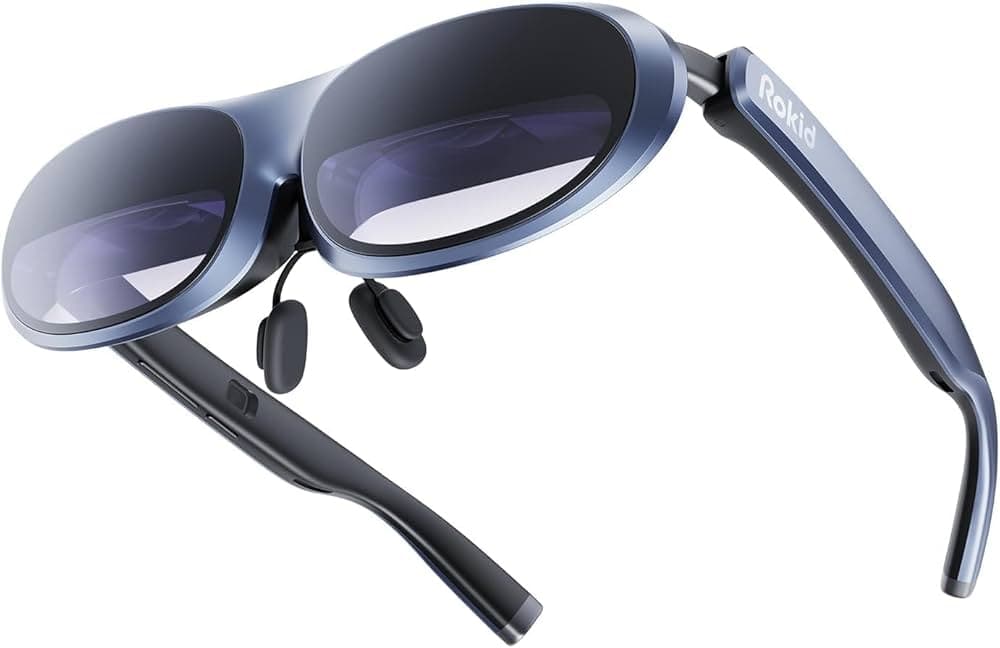
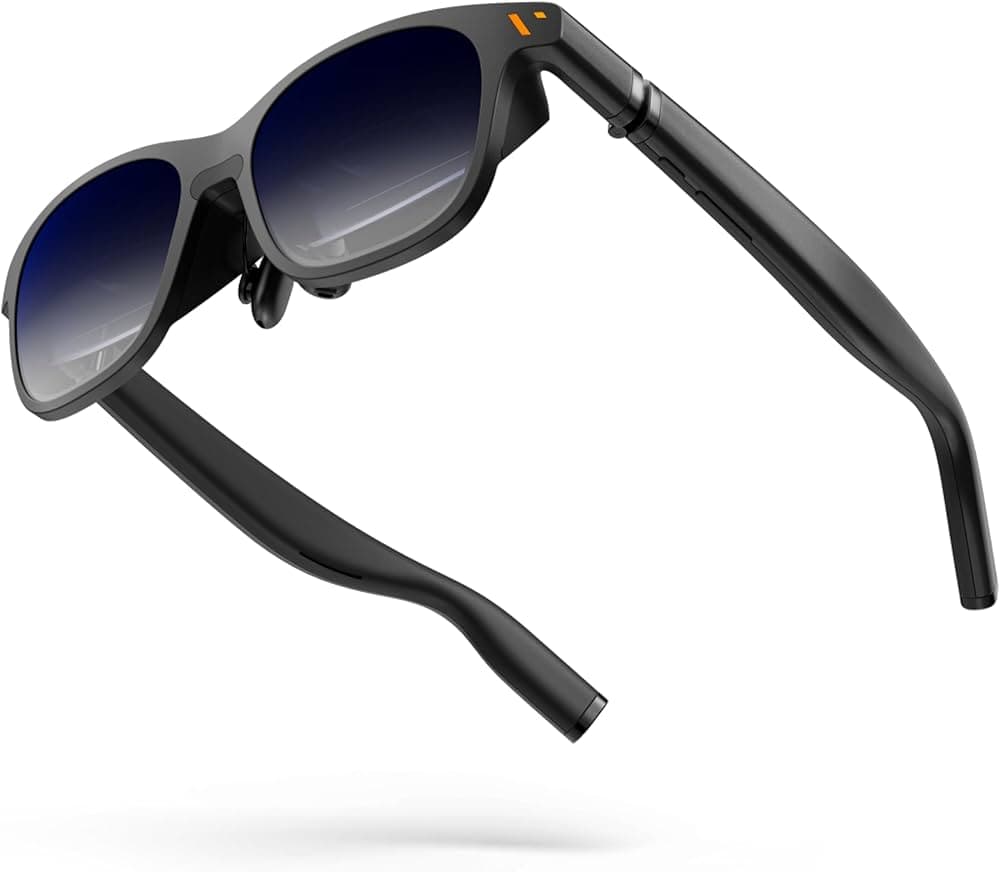
Best overall
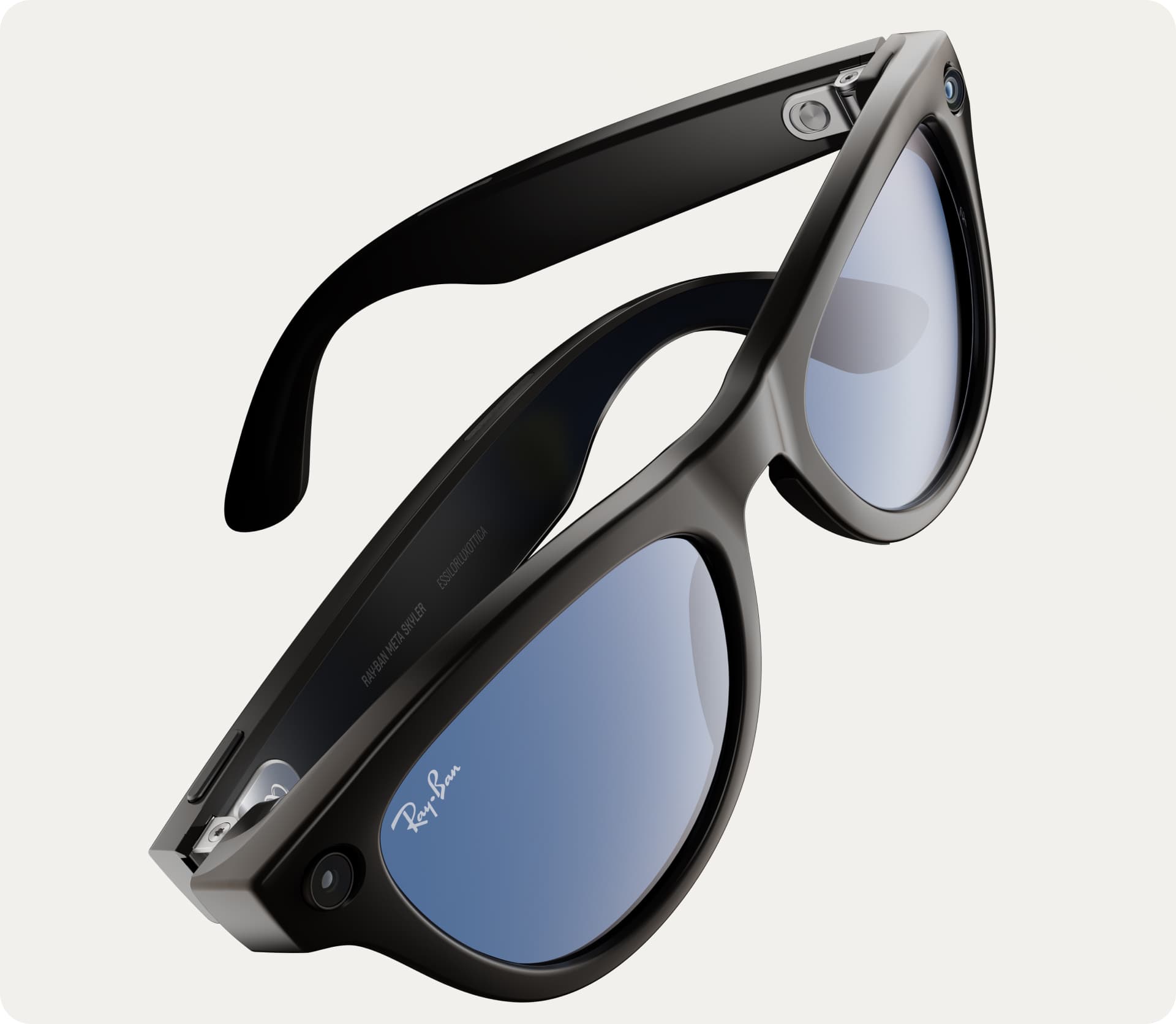
Meta Ray-Ban Smart Glasses
The strongest all-around pick for shoppers who want a wearable camera, open-ear audio, and AI in one normal-looking frame.

Smart glasses with voice assistants, cameras, open-ear audio, AR displays, and heads-up features for everyday wearable computing. Compare the best smart glasses with expert reviews, verified live prices, and direct buying guides.
Top AI glasses picks
This is the fastest way to decide whether you care most about everyday AI, translation, budget value, or display-first immersion before you dive into the full reviews.
Best overall
The strongest all-around pick for shoppers who want a wearable camera, open-ear audio, and AI in one normal-looking frame.

Best for translation
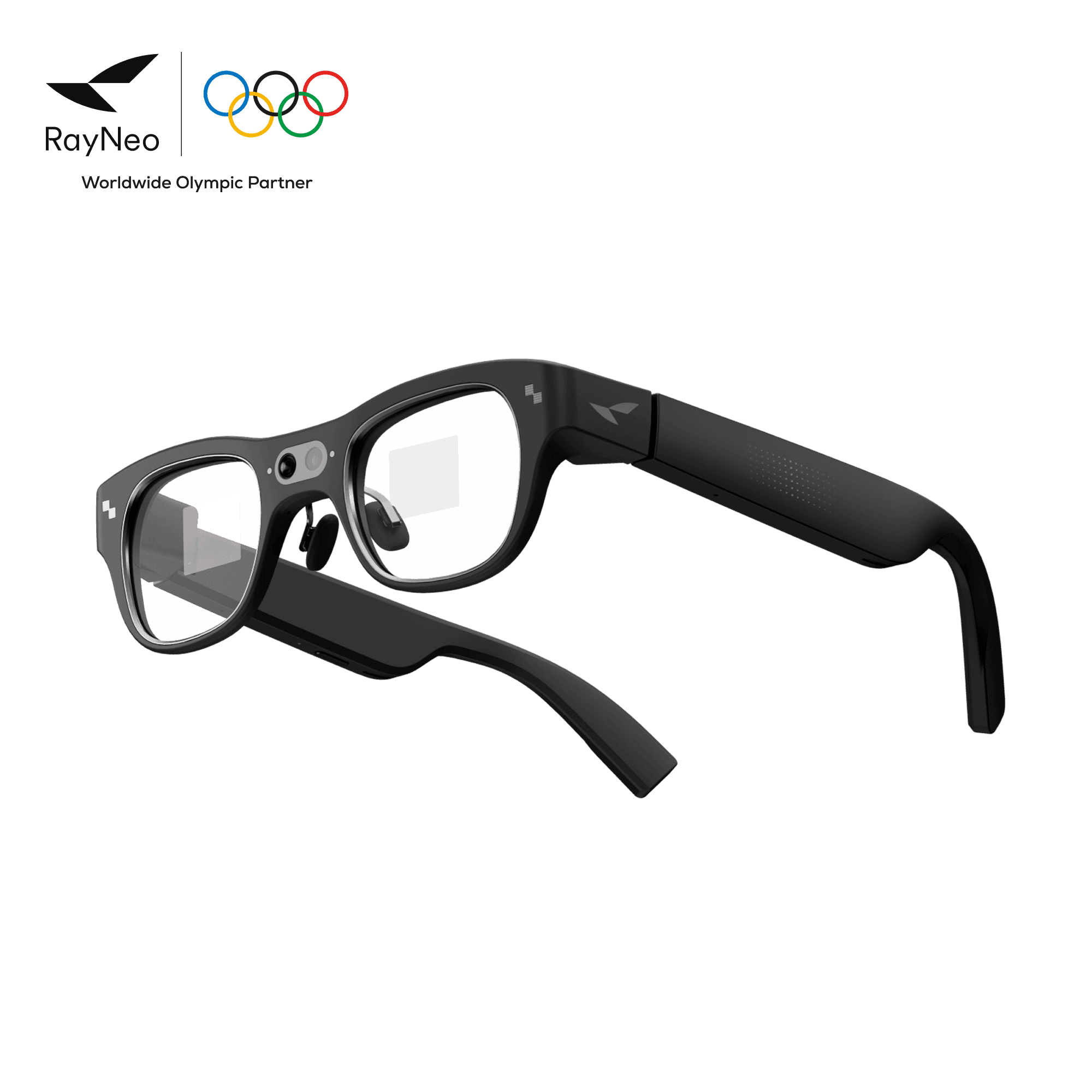
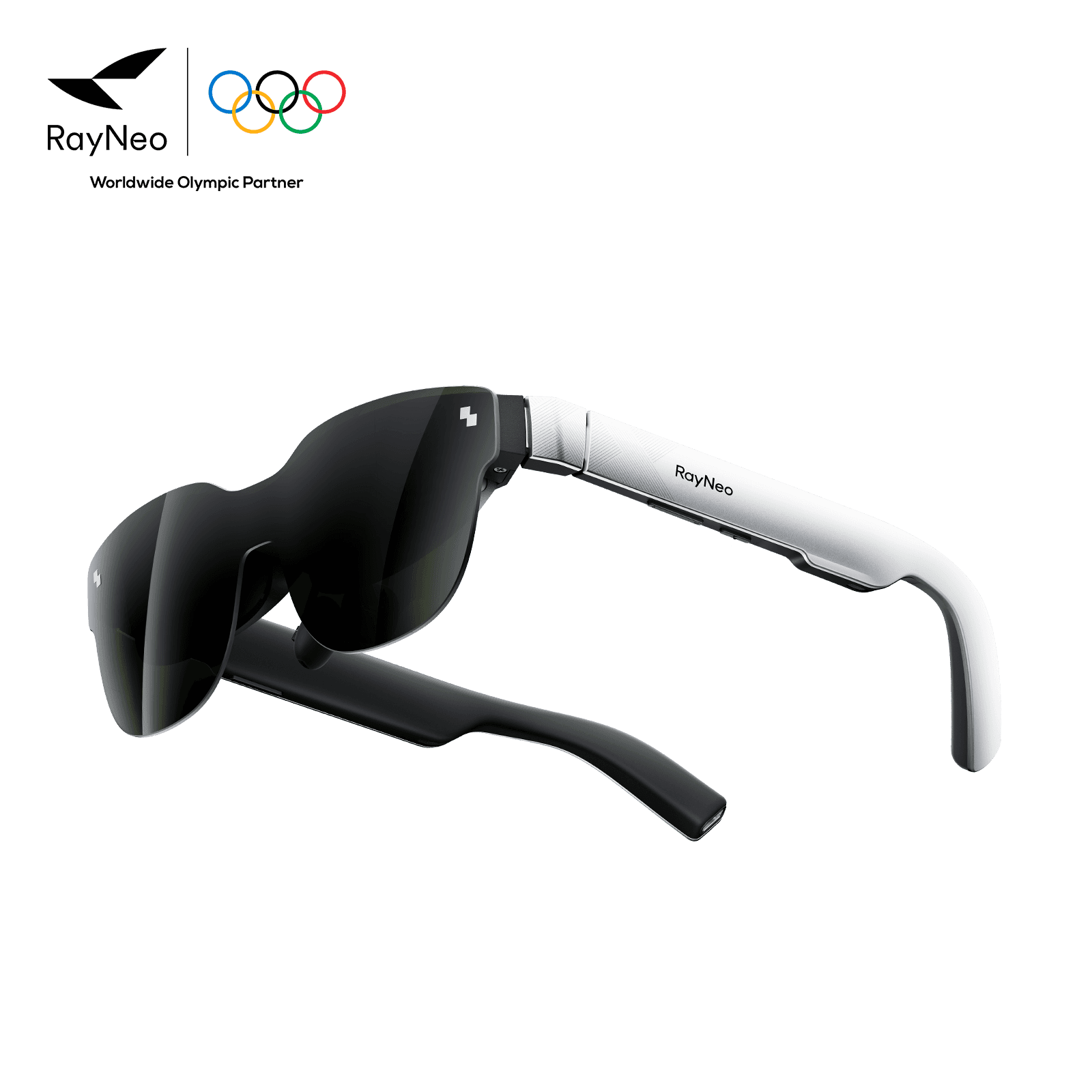
The most AI-forward option when live overlays, multimodal assistance, and translation matter more than pure style.

From
$299.99
Best budget
The easiest entry point if you want AI assistance and all-day wear without jumping to flagship pricing.

Best display
The clearest choice for buyers who want a large virtual screen, spatial features, and real productivity potential.

Compare AI glasses
Use this table to decide whether you want camera-first smart glasses, a discreet HUD, a translation-forward AI wearable, or a display headset replacement for work and travel.
| Product | Best use | Camera | Display | Audio | Battery | Prescription | Price | Review | Prices |
|---|---|---|---|---|---|---|---|---|---|
Meta Ray-Ban Smart Glasses Best overall smart glasses. Great camera, Meta AI, stylish Ray-Ban design. | Best Overall | 12MP | No display | open-ear speakers | Up to 4 hours | Clear, Transitions, Polarized, Prescription | $299 | Review | Prices |
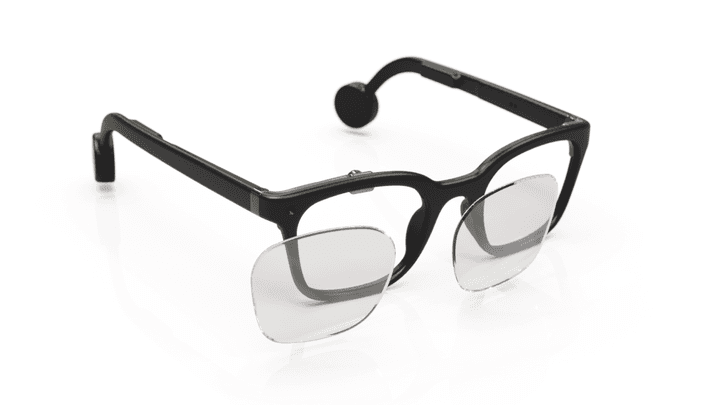
Brilliant Labs Frame Best AI-first glasses. Micro-display, open-source, multimodal AI. For tech enthusiasts. | Best for AI Features | 720p for AI visual queries | Micro-OLED, 640x400 | Bluetooth speaker/mic | ~3 hours active use | Prescription-ready | $299.99 | Review | Prices |
Even Realities G1 Most discreet smart glasses with HUD. 35g, teleprompter, navigation. | Best for Productivity | No camera | Micro-LED HUD | No built-in audio | Up to 12 hours standby, ~4 hours active | Prescription-ready, tinted available | $399 | Review | Prices |
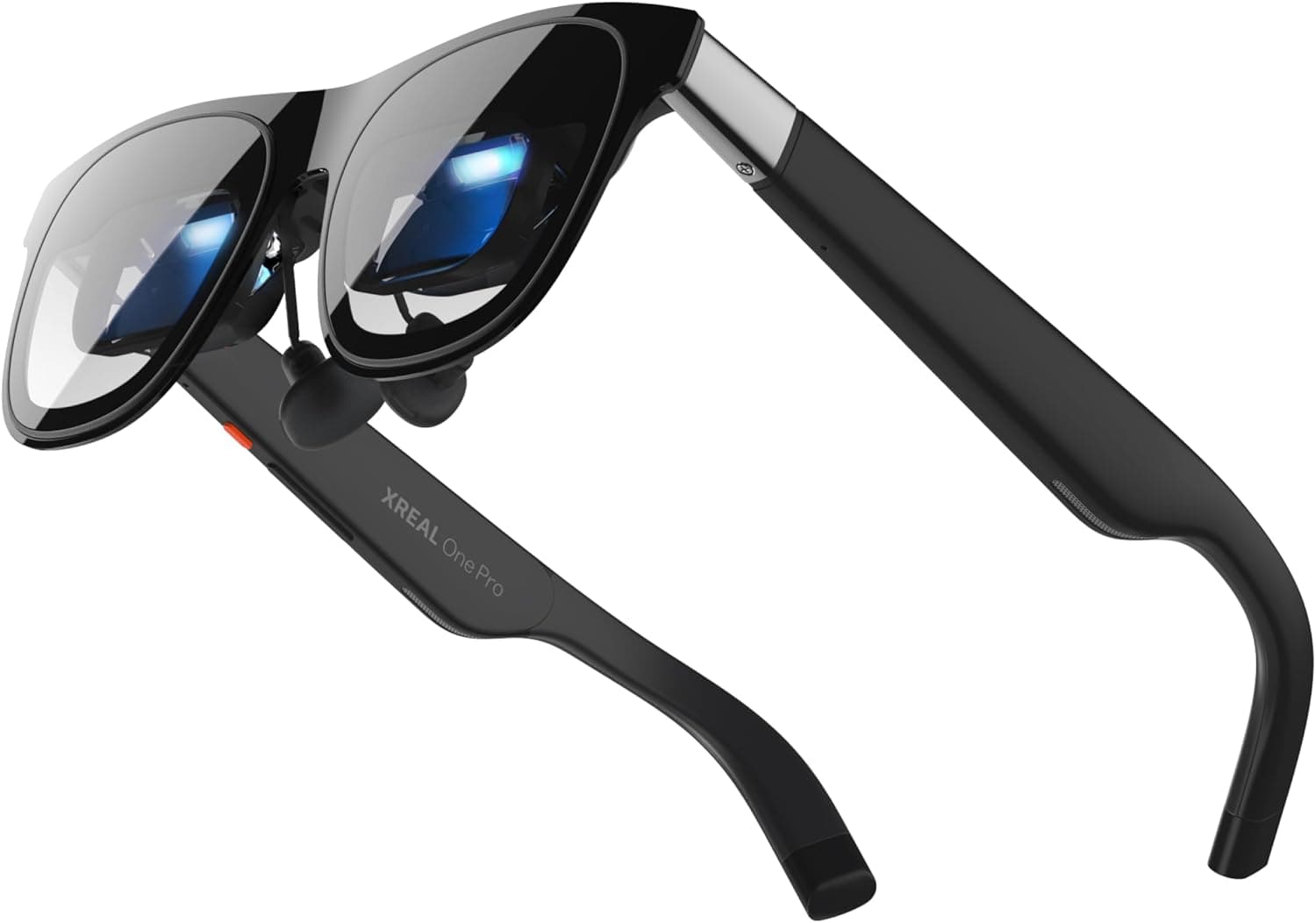
XREAL One Pro Best AR glasses for power users. 57° FOV, X1 chip, multi-screen, 120Hz. | Best AR Display for Power Users | No camera | Micro-OLED, 120Hz | No built-in audio | Powered by connected device | Prescription insert available | $479 | Review | Prices |
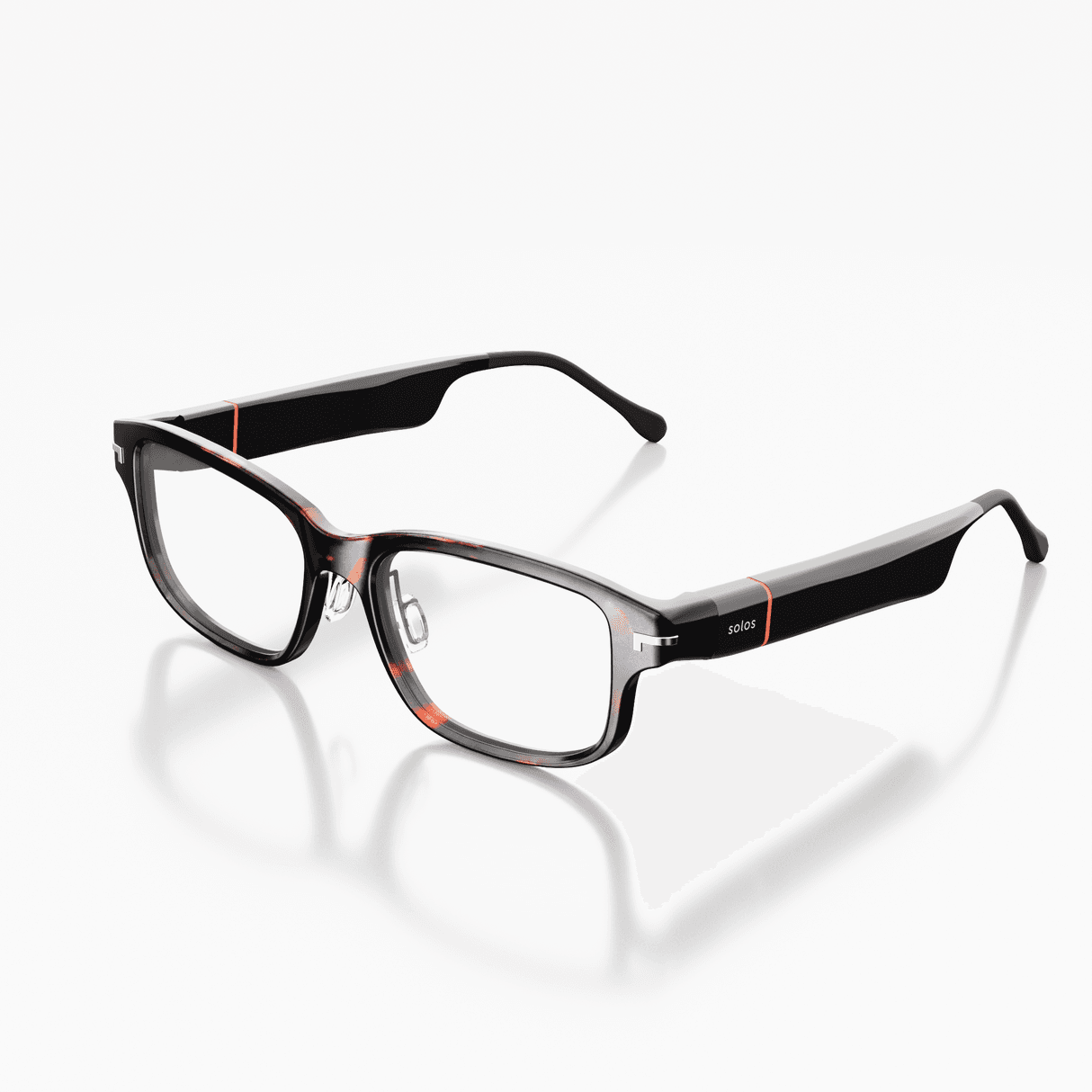
Solos AirGo 3 Most affordable AI glasses. ChatGPT built-in, 11hr battery, modular frames. | Best Budget | No camera | No display | Open-ear directional speakers | Up to 11 hours | Clear, tinted, prescription compatible | $222 | Review | Prices |
More AI glasses to compare
These are the remaining models worth comparing once you know you do not need one of the main four buying paths above.

The iconic Wayfarer frame with Meta AI smarts — the most stylish smart glasses you can buy.
Editorial verdict
Iconic Wayfarer with Meta AI. Most stylish smart glasses available.

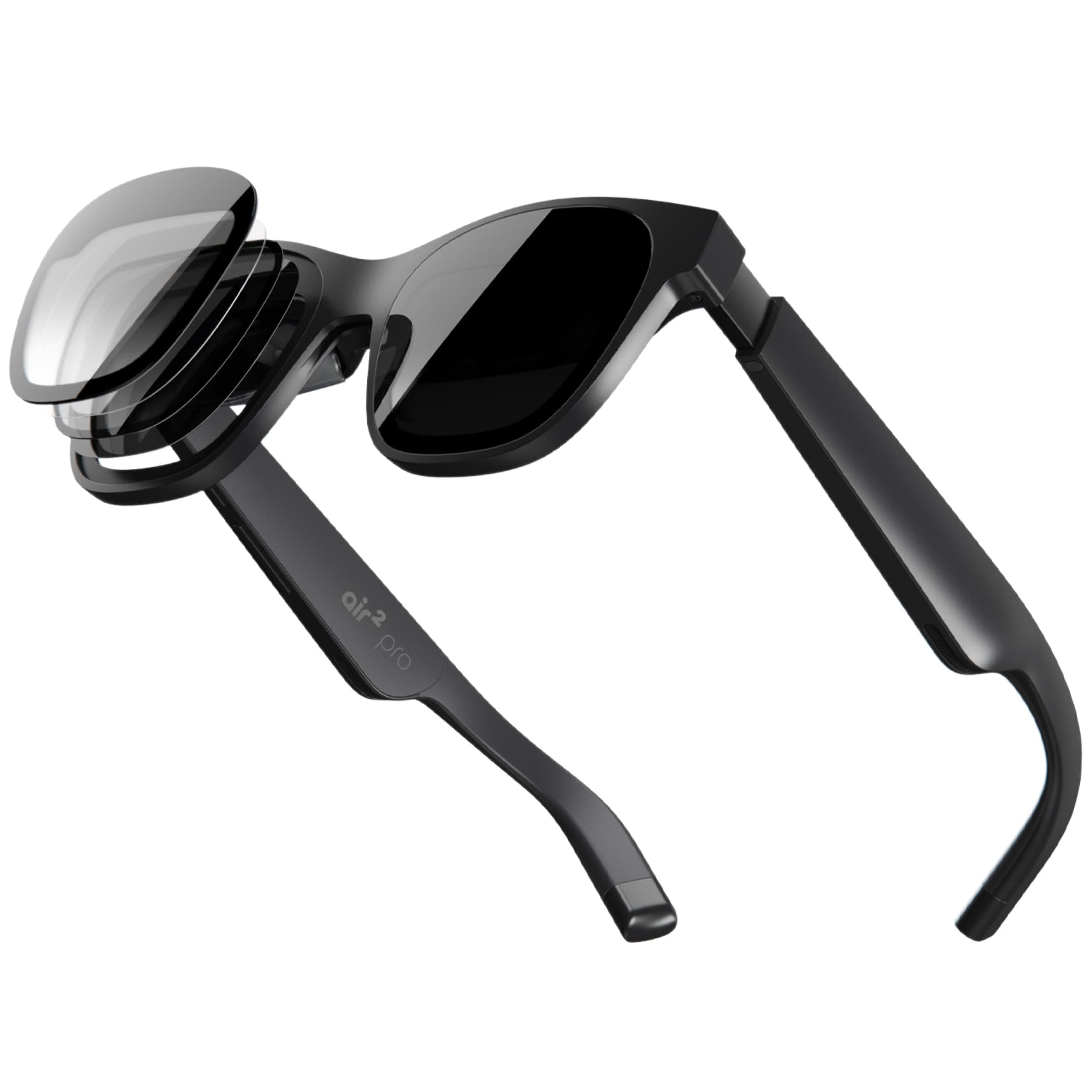
Premium AR display glasses with 3-level electrochromic dimming for the best viewing experience in any environment.
Editorial verdict
Premium display glasses with 3-level dimming. Same great screen as Air 2, more versatile.

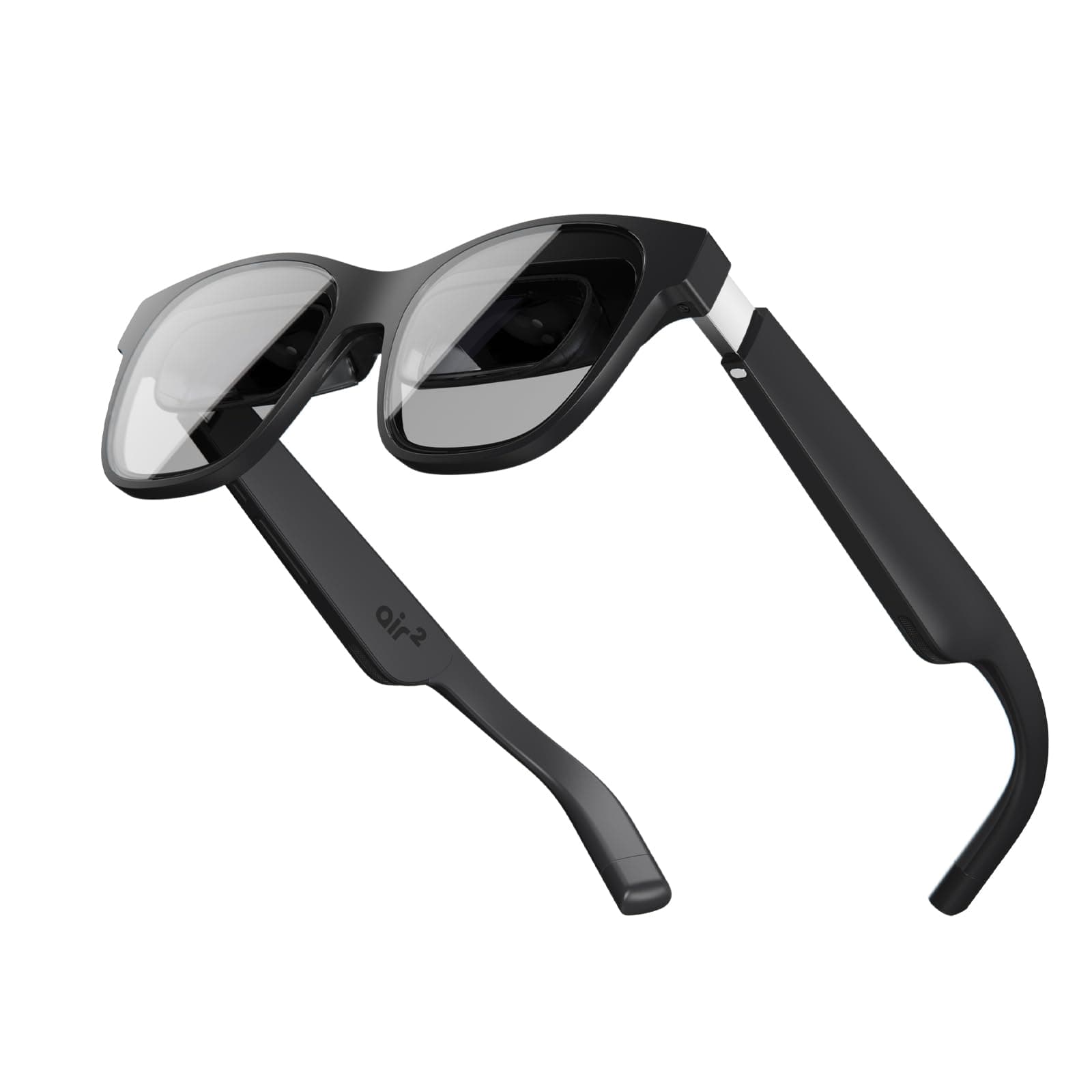
Lightweight AR display glasses with a stunning 130-inch virtual screen — perfect for entertainment on the go.
Editorial verdict
Best AR display glasses for entertainment. 130-inch virtual screen, 72g light.

High-resolution AR display glasses with the largest field of view in their class — incredible value for the price.
Editorial verdict
Best value AR display glasses. Widest FOV at 50°, built-in diopter.

Premium XR glasses with electrochromic dimming and the best mobile gaming experience available.
Editorial verdict
Best gaming XR glasses. Sony OLED display, harman/kardon audio, Neckband dock.

Ultra-lightweight AI glasses with a discreet heads-up display — navigation, notifications, and teleprompter in a normal-looking frame.
Editorial verdict
Most discreet smart glasses with HUD. 35g, teleprompter, navigation.

Full-color AR smart glasses with see-through waveguide display — the closest to true augmented reality in a glasses form factor.
Editorial verdict
Most advanced consumer AR glasses. Full-color see-through display, gesture control.
Quick summary
AI glasses buying decisions usually come down to four paths: camera and calls, live translation, discreet heads-up productivity, or private-display entertainment.
Best for
Best for shoppers who want to narrow smart glasses by real use case instead of scanning a long list of specs.
Who should skip it
Skip this page if you already know the exact model you want and only need its full review or live price page.
Key takeaways
How we chose these products
Smart Wearables treats AI glasses as a decision page, not just a catalog. We focus on what job each product actually solves and whether the buying path is clear before anyone clicks out.
Why trust this category page
This AI glasses page is designed to help readers make a real purchase decision. It pairs editorial verdicts, a direct comparison table, deeper review links, and live price paths instead of acting like a thin grid of specs.
Trust pages
Read how Smart Wearables reviews products, verifies retailers, and keeps affiliate relationships separate from editorial decisions.
Category FAQ
The best smart glasses depend on what you need most. Meta Ray-Ban is strong for everyday AI and camera use, XREAL Air 2 is strong for portable displays, and Even Realities G1 stands out for discreet HUD-style productivity.
Start by deciding whether you want AI and cameras, a large private display, or a heads-up display. Then compare comfort, compatibility, battery life, and live prices before buying.
They are worth it if you want hands-free camera, audio, translation, or private-display features in a wearable format. They are less compelling if you only want a normal pair of glasses with no smart features.
Several leading models support prescription options, including Meta Ray-Ban, XREAL, Even Realities, and Brilliant Labs Frame. The main difference is whether they use direct prescription lenses, inserts, or brand-specific lens programs.
Brilliant Labs Frame and TCL RayNeo X2 are the strongest translation-first picks, while Meta Ray-Ban is better for everyday AI and camera use than for advanced visual overlays.
AI glasses focus on voice assistants, audio, cameras, and lightweight wearable computing, while AR glasses put visual information into your field of view through a display or heads-up layer.
Related News

The Electronic Frontier Foundation issued a sharp warning urging consumers to reconsider Meta Ray-Ban purch...

FCC filings reveal two new Ray-Ban Meta models designed specifically for prescription lenses, featuring fas...

With Ray-Ban Meta demand surging, Meta and its manufacturing partner are weighing a major capacity expansio...