MEMS Breakthrough Will Make Smart Glasses Thinner and Cooler by 2027, Digitimes Reports
A Digitimes analysis reports that MEMS technologies from xMEMS — including the 1mm-thin Sycamore speaker and the µCooling solid-state micro-fan — are set to break the 'thermal wall' holding back AI-heavy smart glasses, enabling slimmer and more powerful designs by late 2027.
Featured Product
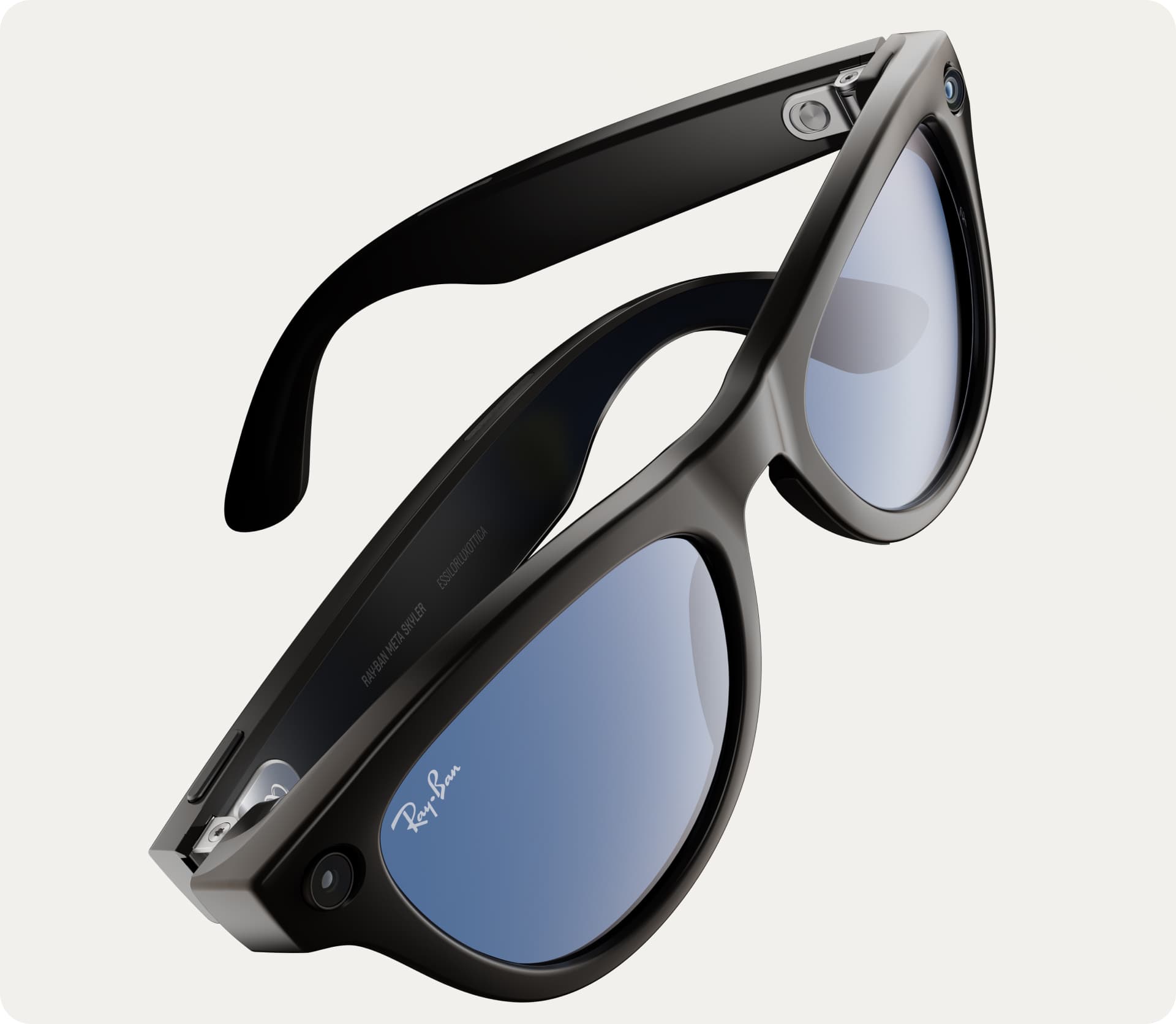
Meta Ray-Ban (Gen 2) Smart Glasses
The newest generation Meta Ray-Ban — 2x battery life, 3K HD video, and upgraded Meta AI in the same iconic Ray-Ban frame.
Starting At
$379
A breakthrough in MEMS (Micro-Electro-Mechanical Systems) technology is set to reshape the smart glasses industry by 2027, according to a new Digitimes analysis published August 31. The report highlights how xMEMS' miniaturized components solve two critical problems that have kept AI-powered glasses bulky and hot.
The Two Technologies
Sycamore MEMS Speaker: At just 1.28mm thin, Sycamore is up to 70% smaller and 90% lighter than the traditional coil speakers used in current smart glasses like the Ray-Ban Meta. It delivers full-bandwidth audio with crystal-clear fidelity, meaning future glasses can have better sound without the bulk.
µCooling Micro-Fan: This 1mm-thin solid-state micro-blower is the industry's first in-frame active cooling solution. It provides targeted airflow to manage heat from AI processors — the exact component that forces current smart glasses to throttle performance during extended AI sessions.
Why This Matters for Buyers
Today's AI smart glasses face a fundamental trade-off: run powerful AI models and overheat, or limit AI capabilities to stay comfortable. The 'µCooling' technology breaks this thermal wall. xMEMS says production-ready samples of the XMC-1200 cooling device are targeted for Q4 2027, meaning glasses launching in late 2027 and 2028 could be significantly thinner and more capable.
What to Buy Now
These technologies won't reach consumer products until late 2027 at the earliest. If you want AI smart glasses today, the Ray-Ban Meta at $379 remains the best option. For those who can wait, the Meta Connect September 23 event will reveal the Ray-Ban Meta Gen 3, which may incorporate early versions of similar miniaturization technology. Browse all options in our smart glasses guide.
Go deeper on Meta Ray-Ban (Gen 2) Smart Glasses
Move from this news update into the key money pages so you can compare pricing, read the full review, and see similar products in context.
Keep researching this story
Related News
Samsung Official Confirms Galaxy Glasses Launch in November 2026: Price, Specs, and What to Expect
3 min read
updateCamera-Free Smart Glasses Go Mainstream: Meta Audio, Samsung Galaxy Glasses, and HTC Vive Eagle Lead Privacy-First Trend
3 min read
updateSmart Glasses Shipments Hit 167% YoY Growth: IDC Forecasts 13.6 Million Units for 2026
2 min read